Neurofeedback for Obsessive Compulsive Disorder (OCD)
Obsessive-Compulsive Disorder (OCD) is a neurological condition affecting roughly 2-3% of the global population, defined by recurring intrusive thoughts (obsessions) that drive repetitive behaviors or mental acts (compulsions) performed to temporarily relieve anxiety. Neuroimaging research has identified dysregulation in the fronto-striatal circuits as a key driver of this cycle, keeping the brain locked in a loop of perceived threat and compulsive response.
Neurofeedback is an evidence-based intervention that targets these overactive circuits directly, training the brain to self-regulate and break the obsessive-compulsive cycle at its neurological root. If you are looking for OCD treatment in Austin or Round Rock, TX, get started with us today by scheduling a free consultation.
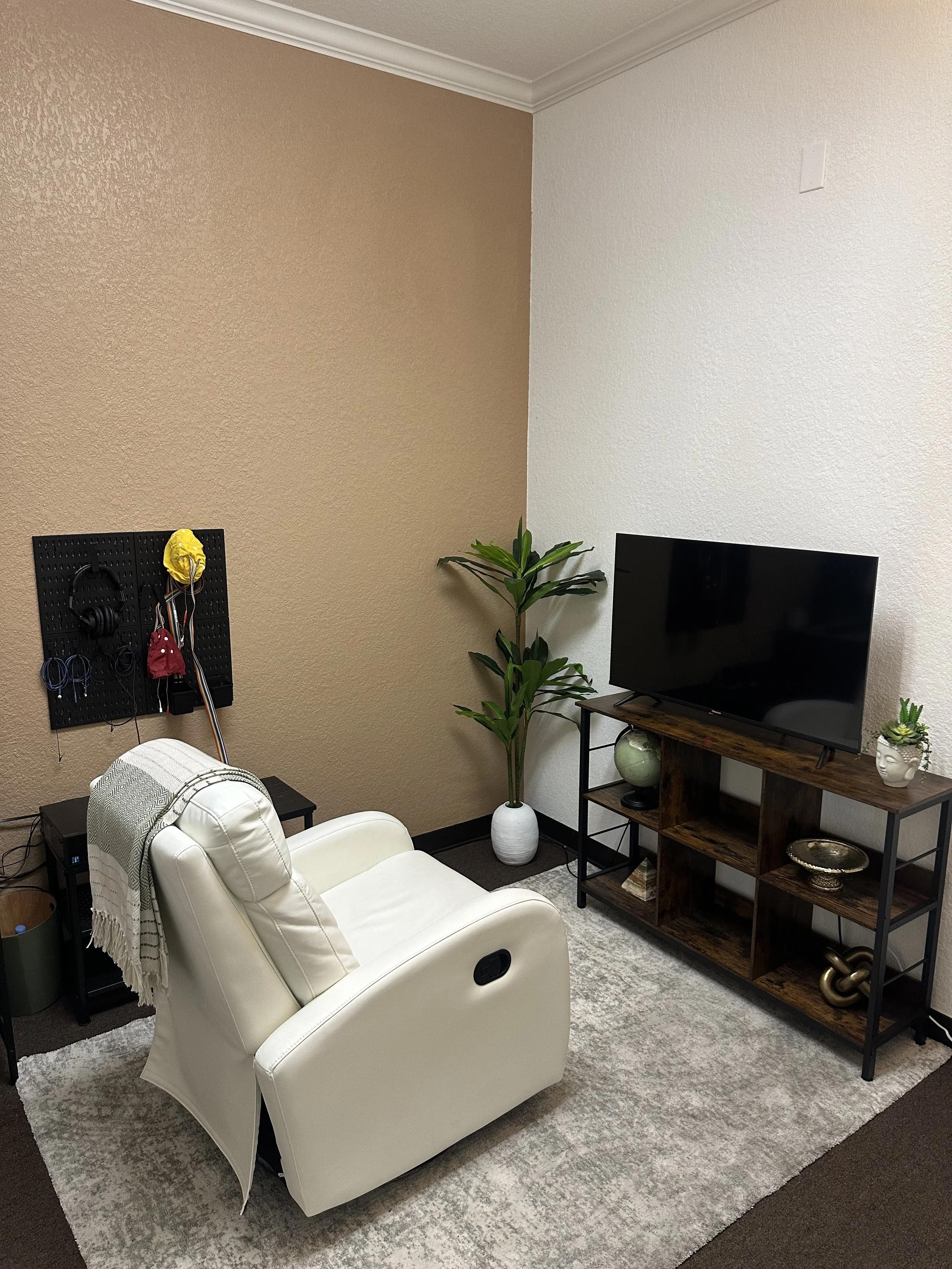
How Neurofeedback Retrains the OCD Brain
Neurofeedback (EEG biofeedback) is a real-time brain-training technique. Sensors placed on your scalp read your brainwave activity, and a computer provides instant audio/visual feedback that guides your brain toward healthier patterns — gradually and non-invasively.
OCD is characterized by hyperactivation in the fronto-striatal circuits. Neurofeedback directly addresses this dysregulation by training the brain to self-regulate these networks by reducing the compulsive loop without medication.
Harm obsessions and checking compulsions (locks, stoves, safety)
Contamination fears and excessive washing or cleaning
Intrusive, unwanted thoughts (blasphemous, sexual, or violent)
Symmetry, order, and "just right" obsessions
Mental rituals, counting, or repeated prayers
Hoarding and difficulty discarding objects
Relationship OCD (ROCD) and self-doubt loops
OCD co-occurring with PTSD, anxiety, or depression
Common OCD Presentations We Work With:
WHY CHOOSE NEUROFEEDBACK?
How We Compare to Other OCD Treatments
Neurofeedback doesn't replace therapy — it can powerfully complement it. For many clients, it makes other interventions like ERP (Exposure and Response Prevention) therapy more accessible and effective.
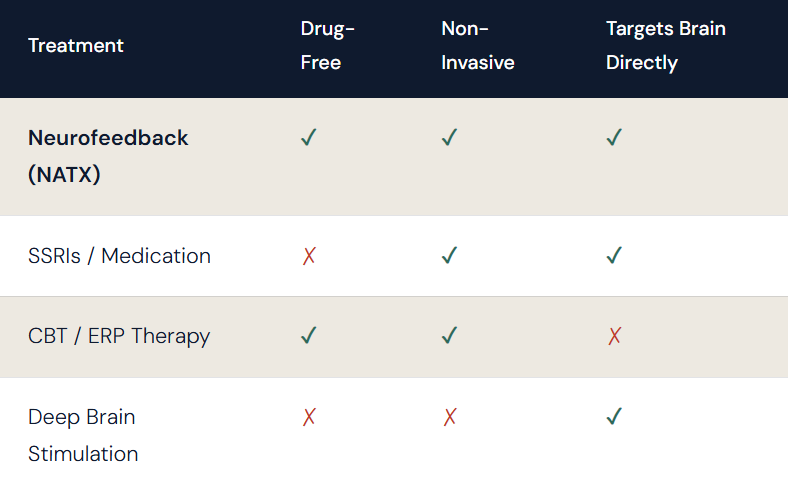
SSRIs/Medication
CBT/ ERP Therapy
Deep Brain Stimulation
Understanding OCD and How Neurofeedback Treatment Can Help
Obsessive-Compulsive Disorder (OCD) is a chronic anxiety-based condition characterized by two core experiences: obsessions and compulsions. Obsessions are unwanted, intrusive thoughts, images, or urges that arise repeatedly and trigger significant distress. In response, the brain seeks relief through compulsions, repetitive behaviors or mental rituals performed in an attempt to neutralize the anxiety caused by the obsession.
The relief compulsions provide is temporary. The obsessive thought returns, the anxiety spikes again, and the cycle continues. Over time this loop can consume significant mental energy and interfere with work, relationships, and daily functioning.
OCD is a recognized neurological condition with measurable patterns of brain dysregulation, particularly involving hyperactivity in the orbitofrontal cortex and basal ganglia, circuits associated with threat detection and habitual behavior. This is why OCD responds well to brain-based interventions like neurofeedback, which target the underlying neurological patterns driving the obsessive-compulsive cycle rather than solely addressing thoughts and behaviors at the surface level.
What does the research say about Neurofeedback for OCD?
Neurofeedback for OCD is backed by a growing body of peer-reviewed clinical research, including randomized controlled trials and systematic reviews published in leading medical journals.
91%
of subjects showed clinical improvement in qEEG-guided case series
26 mo.
Average follow-up showing maintained improvement
40%
to 60% of individuals with OCD do not show adequate relief from first-line treatments such as SSRIs and CBT alone
Zafarmand M, Farahmand Z, Otared N. A Systematic Literature Review and Meta-analysis on Effectiveness of Neurofeedback for Obsessive-Compulsive Disorder. Neurocase, 28(1), 29–36.
doi: 10.1080/13554794.2021.2019790.
Fettes P, Schulze L and Downar J (2017) Cortico-Striatal-Thalamic Loop Circuits of the Orbitofrontal Cortex: Promising Therapeutic Targets in Psychiatric Illness. Front. Syst. Neurosci. 11:25.
doi: 10.3389/fnsys.2017.00025
Sürmeli, T., & Ertem, A. (2011). Obsessive compulsive disorder and the efficacy of qEEG-guided neurofeedback treatment: a case series. Clinical EEG and neuroscience, 42(3), 195–201.
doi.org/10.1177/155005941104200310
Rance, M., Zhao, Z., Zaboski, B., Kichuk, S. A., Romaker, E., Koller, W. N., Walsh, C., Harris-Starling, C., Wasylink, S., Adams, T., Jr, Gruner, P., Pittenger, C., & Hampson, M. (2023). Neurofeedback for obsessive compulsive disorder: A randomized, double-blind trial. Psychiatry research, 328, 115458.
doi.org/10.1016/j.psychres.2023.115458
O'Donnell, L., & Panisch, L. S. (n.d.).Retraining the brain: A new approach to treating PTSD and OCD. Wayne State University School of Social Work.
https://socialwork.wayne.edu/news/retraining-the-brain-a-new-approach-to-treating-ptsd-and-ocd-66984
CO-OCCURING & RELATED DISORDERS
OCD rarely exists in isolation. Our neurofeedback protocols are personalized to address the full landscape of each client's presentation.
Bipolar Disorder
Substance Abuse
TBI/Concussion
Insomnia
We also support these conditions
Our process for neurofeedback for obsessive-compulsive disorder in Austin, TX

01
Consultation Call
We start with a free consultation to understand your history, symptoms, and goals. There's no pressure and no commitment. We want to make sure neurofeedback is the right fit for you before we begin.
02
QEEG Scan
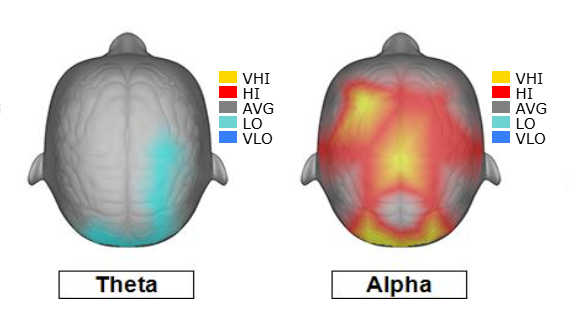
We conduct a comprehensive quantitative EEG brain map. This is completely non-invasive and painless — you simply sit comfortably while sensors read your brain's electrical activity. We use this data to build your personalized protocol.
03
Report of Findings
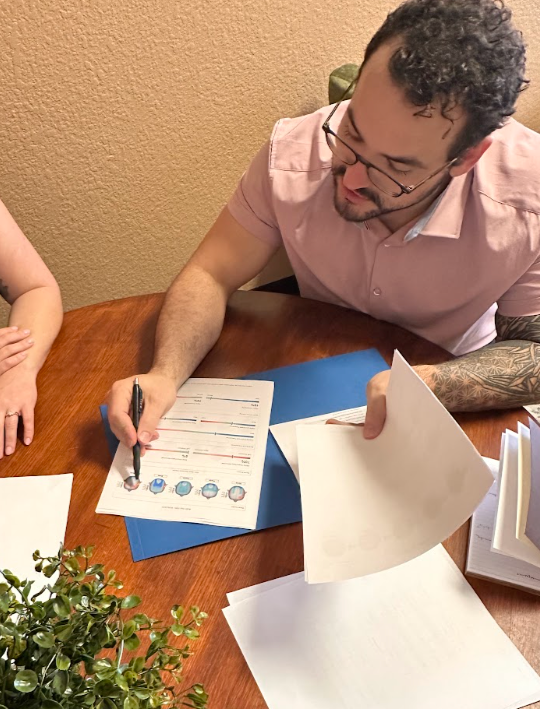
After your QEEG our licensed provider will provide an overview of what the brain map shows and what neurofeedback protocols we believe would be best suited for your brain. A QEEG is not used for diagnosis but rather it aids in our understanding of your brains electrical activity.

04
Neurofeedback
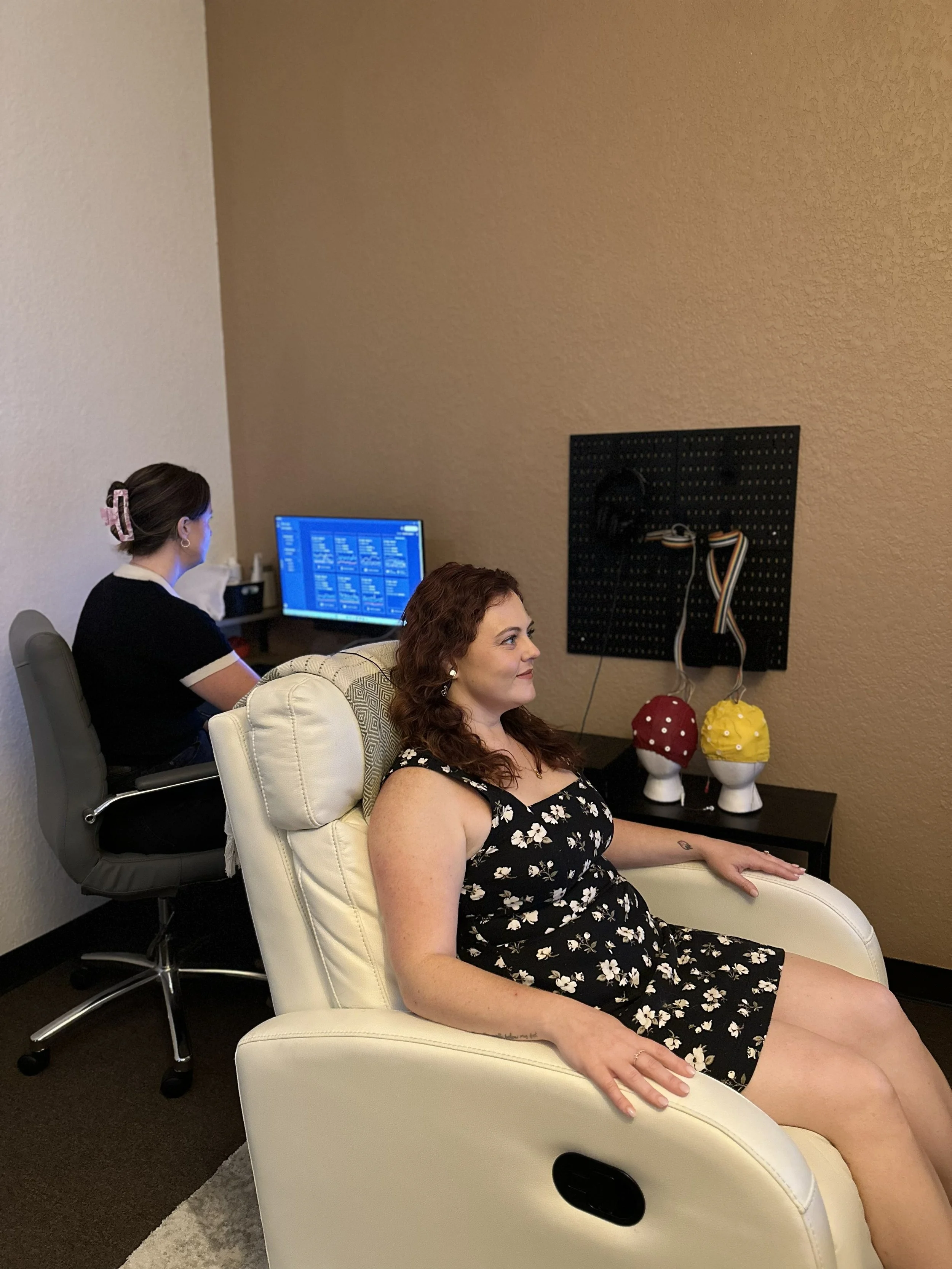
Your journey begins by sitting comfortably in front of a Netflix screen while EEG electrodes monitor your brain activity. As you watch, the system provides real-time audio-visual feedback whenever your brain enters a more regulated state.
Common Questions about Neurofeedback for OCD in Austin
-
Yes. The evidence is promising and growing. A 2022 meta-analysis published in Neurocase reviewed 9 controlled trials involving 1,211 OCD patients and found a statistically significant benefit of neurofeedback over comparison treatments (p<0.001). A 2023 randomized, double-blind clinical trial from Yale University also demonstrated measurable OCD symptom reductions in active neurofeedback participants. An earlier case series found 91.6% of drug-resistant OCD patients improved after qEEG-guided neurofeedback, with many maintaining gains at 26-month follow-up.
-
Most clients begin to notice meaningful improvements within 20–40 sessions, though this varies based on the severity of symptoms, prior treatment history, and individual brain patterns identified in the initial QEEG. We track your progress objectively every 10–15 sessions and confirm results with a follow-up QEEG brain scan at the conclusion of treatment.
-
Neurofeedback is non-invasive and does not involve medication, electrical stimulation, or surgery. Sensors simply read your brainwave activity — nothing is sent into the brain. Some clients report temporary mild fatigue or vivid dreams in the early sessions, which typically resolve as the brain adapts. Neurofeedback has a well-established safety profile and is considered safe for adults and children.
-
Absolutely. Neurofeedback is often most effective as a complement to existing treatments. Research from Wayne State University found that neurofeedback may act as a "bridge" that helps clients with co-occurring OCD and PTSD become more emotionally stable and tolerant of evidence-based therapies like Exposure and Response Prevention (ERP). Always inform your prescribing physician and therapist that you are beginning neurofeedback.
-
Yes. We offer a comprehensive at-home training kit that includes the Q2 training device, wires and gel, a carrying case, and access to streaming during sessions. At-home clients receive weekly 1-hour phone support sessions and real-time remote monitoring of their progress. This option is ideal for those with busy schedules or who live farther from our Round Rock clinic.
-
Our lead clinician, Gil, holds a Licensed Master of Social Work (LMSW) and is a Licensed Chemical Dependency Counselor (LCDC) — both regulated by the Texas State Board of Social Worker Examiners and DSHS. He is a board certified neurofeedback provider specializing in QEEG brain mapping. Olivia, our Technician, is a Certified BrainCore Neurofeedback Provider with a B.S. in Cognitive Science. Courtney is a Certified BrainCore Neurofeedback Provider with a B.S. in Sociology & Biology. Our team brings clinical depth and genuine compassion to every client relationship.
Gil Garza, LMSW, LCDC, BCN, is a Licensed Master Social Worker, Licensed Chemical Dependency Counselor, and Board-Certified Neurofeedback Clinician through the Biofeedback Certification International Alliance (BCIA). He specializes in QEEG brain mapping, neurofeedback therapy, trauma-informed care, and behavioral interventions for adolescents and adults. Gil has extensive experience in dual-diagnosis treatment within inpatient and intensive outpatient (IOP) settings, supporting individuals with substance use disorders, ADHD, learning differences, developmental delays, and trauma-related conditions. He is also trained in EMDR therapy and integrates evidence-based behavioral health approaches with brain-based interventions to help clients improve emotional regulation, attention, and cognitive functioning.