
Neurofeedback for Autism Spectrum Disorder (ASD)
At North Austin Neurofeedback, our neurofeedback sessions are individualized and paced with care. Using real-time brainwave feedback, we help both children and adults diagnosed with autism spectrum disorder strengthen regulation skills, reduce overwhelm, and improve flexibility in daily life. Many families report smoother routines, fewer meltdowns, and a greater sense of ease at home and school.
Autism is often accompanied by challenges with sensory processing, emotional regulation, attention, and transitions. Neurofeedback offers a gentle, non-invasive way to help the brain find greater balance improving communication between neural networks involved in focus, calm, and connection.
While neurofeedback isn’t a cure for autism, it can be a powerful tool for enhancing self-regulation, comfort, and quality of life, helping each person thrive in their own way.
What Is Autism?
Autism Spectrum Disorder (ASD) is a neurodevelopmental condition affecting how a person processes information, connects with others, and experiences the world. Autism exists on a wide spectrum — and no two autistic individuals present the same way. While many children receive an early diagnosis, a significant number of autistic adolescents and adults, particularly those who mask or have Level 1 support needs, are not identified until much later in life.
Because autism is so individualized, generic approaches to support often fall short. Neurofeedback for autism works differently — it is guided entirely by each person's unique brainwave activity. Using a QEEG brain map, our clinicians identify the specific patterns of neural dysregulation driving each individual's challenges, then build a fully personalized neurofeedback training protocol around them. This brain-based, data-driven approach aligns naturally with neurodiversity-affirming care and adapts to each person's sensory profile, cognitive needs, and goals.
For families searching for non-invasive, drug-free, alternative autism therapy in Austin, TX, neurofeedback pairs seamlessly with ABA therapy, speech-language therapy, and occupational therapy. Whether you are supporting a child with autism, a newly diagnosed teen, or a late-diagnosed adult, neurofeedback for ASD can help build self-regulation, improve sensory processing, strengthen executive functioning, and support emotional resilience.
Why Neurofeedback is Well-Suited for Autism
How Neurofeedback Supports Autistic Individuals Across the Spectrum

Neurofeedback supports autistic individuals across the full spectrum by training the brain toward greater flexibility and self-regulation. Depending on the individual, neurofeedback for ASD can help with:
Children — fewer meltdowns, improved focus, better sleep & reduced sensory sensitivity
Adolescents — executive functioning, emotional regulation & navigating social demands
Adults & late-diagnosed individuals — reduced anxiety, greater emotional resilience & improved day-to-day functioning
ASD + ADHD (AuDHD) — combined attention, impulsivity & emotional dysregulation challenges
High-masking autism — building internal regulation beneath a high-functioning exterior
Regardless of where someone falls on the spectrum, neurofeedback for autism meets each individual exactly where their brain is and builds from there.
What Neurofeedback Can Address in Autism:
Sensory sensitivities
Trouble socializing
Special interests
Emotion regulation
Stimming behavior
Hyperfixation / Rigidity
Sleep quality
Executive functioning
Note: For those seeking holistic, non-invasive autism support, neurofeedback can be integrated alongside other evidence-informed therapies — including Applied Behavior Analysis (ABA), speech-language therapy, occupational therapy (OT), and educational supports. Many families use neurofeedback as one part of a broader, personalized care plan.
What does the research say about Neurofeedback for ASD?
Neurofeedback for ASD is supported by a growing body of peer-reviewed research — including controlled trials, systematic reviews, and prospective studies — published in leading journals such as the Journal of Autism and Developmental Disorders and the Journal of Neurodevelopmental Disorders.
84%
of ASD participants successfully modulated their target brain region in a 2024 neurofeedback study
1 in 36
children in the U.S. are diagnosed with ASD (CDC, 2023)
30+
peer-reviewed studies have investigated neurofeedback for ASD
Saleem, S., & Habib, S. H. (2024). Neurofeedback recuperates cognitive functions in children with autism spectrum disorders (ASD). Journal of Autism and Developmental Disorders, 54(8), 2891–2901.
https://doi.org/10.1007/s10803-023-06037-z
Rauter, A., Schneider, H., & Prinz, W. (2022). Effectivity of ILF neurofeedback on autism spectrum disorder — a case study. Frontiers in Human Neuroscience, 16, 892296.
https://doi.org/10.3389/fnhum.2022.892296
Kouijzer, M. E. J., de Moor, J. M. H., Gerrits, B. J. L., Buitelaar, J. K., & van Schie, H. T. (2009). Long-term effects of neurofeedback treatment in autism. Research in Autism Spectrum Disorders, 3(2), 496–501.
https://doi.org/10.1016/j.rasd.2008.10.003
Kouijzer, M. E. J., van Schie, H. T., Gerrits, B. J. L., Buitelaar, J. K., & de Moor, J. M. H. (2013). Is EEG-biofeedback an effective treatment in autism spectrum disorders? A randomized controlled trial. Applied Psychophysiology and Biofeedback, 38(1), 17–28.
https://doi.org/10.1007/s10484-012-9204-3
Non-medication alternatives for Autism in Austin
What we offer at North Austin Neurofeedback
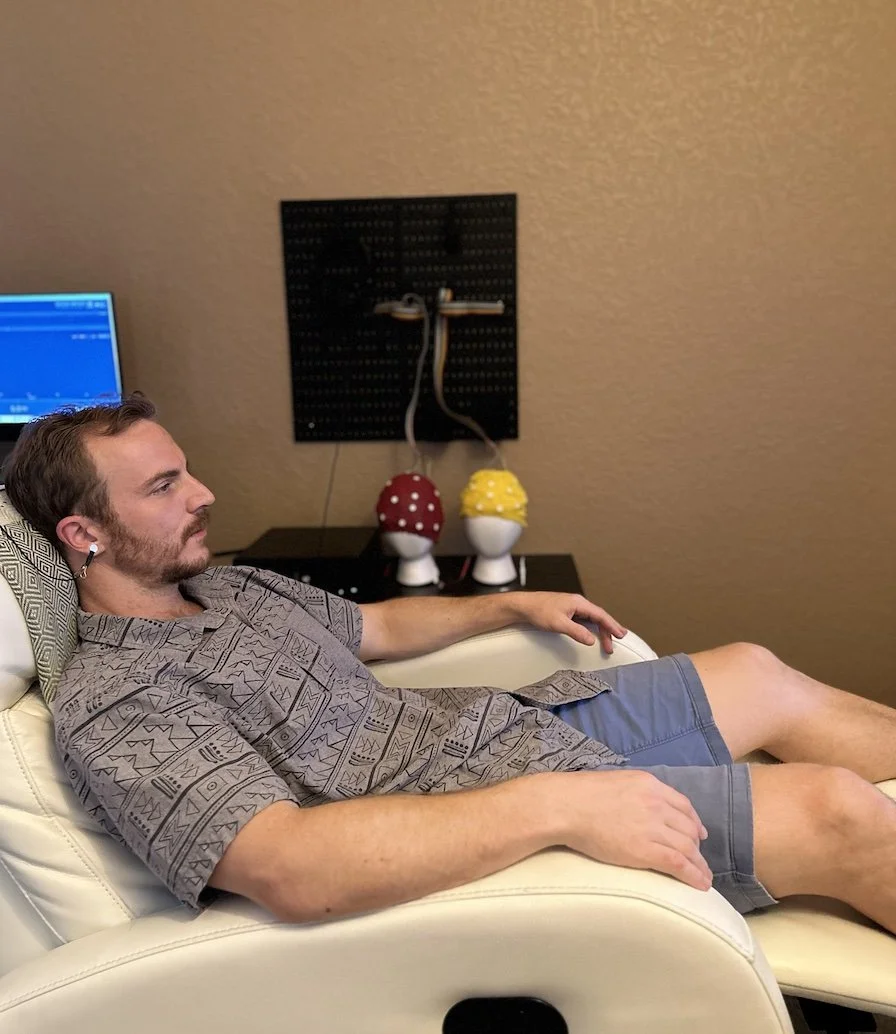
Neurofeedback for Autism: The cornerstone of our approach. QEEG-guided EEG neurofeedback directly trains the brain's electrical activity, targeting the dysregulated brainwave patterns underlying ASD symptoms such as sensory overactivity, emotional dysregulation, attention difficulties, and executive functioning challenges. Non-invasive, drug-free, and fully personalized to each individual's brain map.
Heart Rate Variability (HRV) Training: HRV biofeedback trains the autonomic nervous system, the body's stress response system, toward greater flexibility and resilience. Research shows that many autistic individuals have reduced HRV, indicating a chronically dysregulated nervous system. HRV training helps build a calmer, more adaptable physiological baseline, supporting emotional regulation and reducing anxiety from the body up.
Vagus Nerve Stimulation (VNS): The vagus nerve is the primary communication highway between the brain and body, playing a central role in social engagement, emotional regulation, and sensory processing, all core challenges in ASD. Non-invasive vagus nerve stimulation techniques help activate the parasympathetic nervous system, promoting a calmer, more regulated state that supports connection and learning.
Talk Therapy for Autism: Cognitive Behavioral Therapy (CBT), Dialectical Behavior Therapy (DBT), and other evidence-based talk therapies provide autistic individuals with practical tools for navigating emotions, relationships, and daily life challenges. For older adolescents and adults especially, talk therapy offers a space to process the lived experience of autism, including late diagnosis, masking, identity, and co-occurring anxiety or depression.
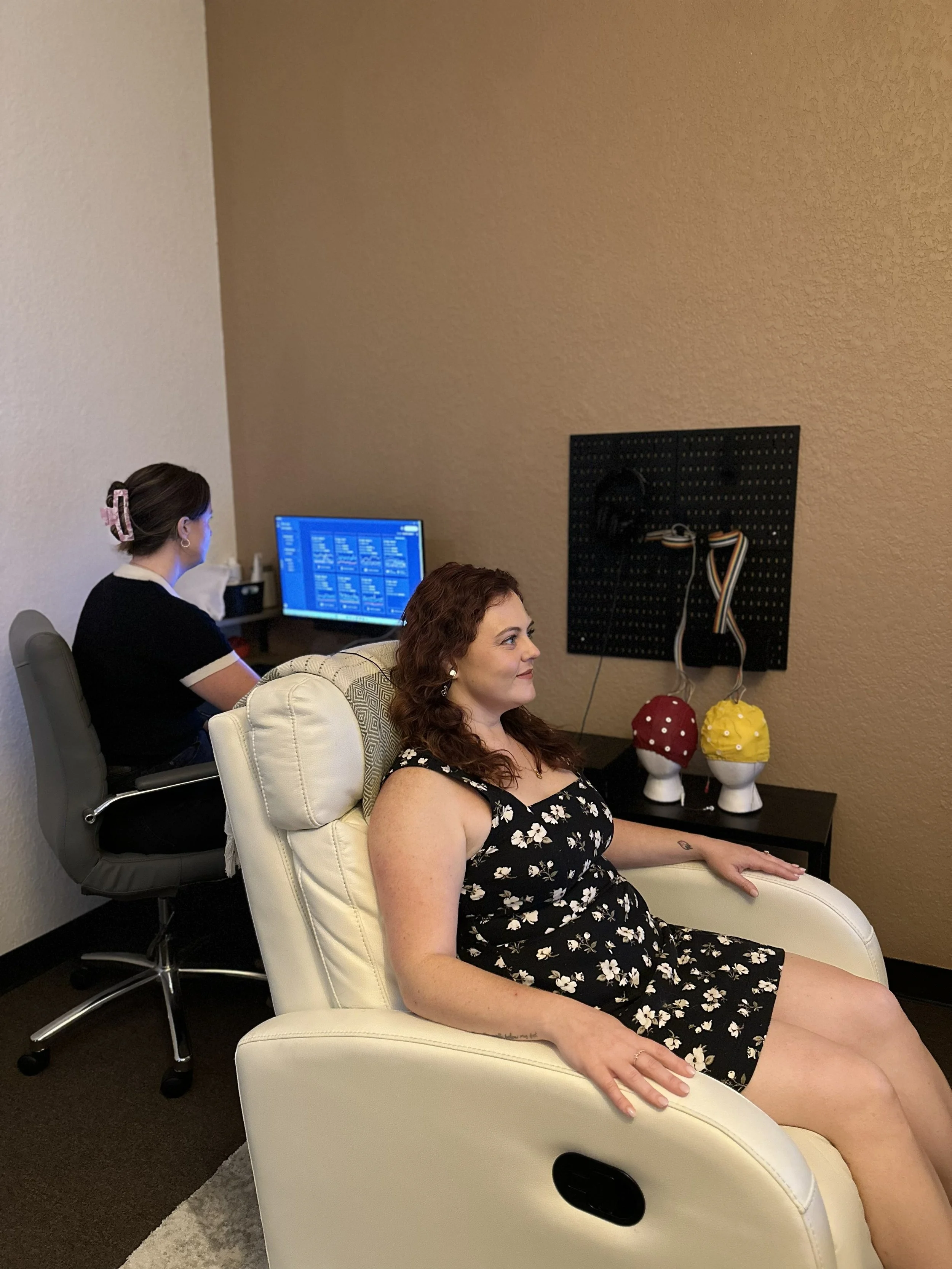
Our process for neurofeedback for autism-spectrum disorder in Austin, TX

01
Consultation Call
We start with a free consultation to understand your history, symptoms, and goals. There's no pressure and no commitment. We want to make sure neurofeedback is the right fit for you before we begin.
02
QEEG Scan
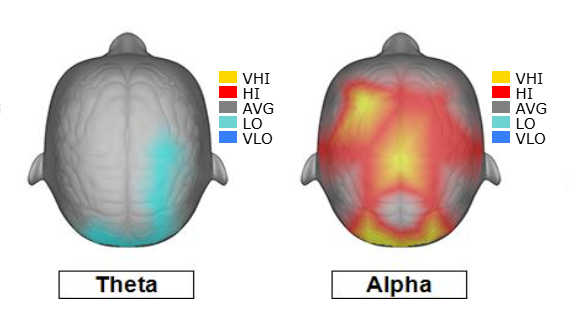
We conduct a comprehensive quantitative EEG brain map. This is completely non-invasive and painless — you simply sit comfortably while sensors read your brain's electrical activity. We use this data to build your personalized protocol.
03
Report of Findings
After your QEEG our licensed provider will provide an overview of what the brain map shows and what neurofeedback protocols we believe would be best suited for your brain. A QEEG is not used for diagnosis but rather it aids in our understanding of your brains electrical activity.

04
Neurofeedback
Your journey begins by sitting comfortably in front of a Netflix screen while EEG electrodes monitor your brain activity. As you watch, the system provides real-time audio-visual feedback whenever your brain enters a more regulated state.
Common Questions about Neurofeedback for Autism in Austin
-
Neurofeedback is a non-invasive form of brain training that uses real-time EEG monitoring to show the brain its own electrical activity and reward it for producing healthier patterns. During a session, sensors are placed on the scalp (no electricity is applied — we only read signals). When the brain produces target brainwave frequencies, it receives an audio or visual reward, gradually reinforcing more adaptive patterns over time. For autism, we specifically target the dysregulated frequencies and connectivity patterns identified in your QEEG brain map.
-
Yes. Neurofeedback is a non-invasive, non-pharmaceutical intervention. No electricity is sent into the brain — the EEG sensors only read brainwave signals. Side effects are rare and typically mild (such as temporary tiredness after a session). It has been studied in children with ASD as young as age 5. As with any health intervention, we conduct a thorough intake assessment and maintain open communication with families throughout treatment.
-
Most neurofeedback protocols for autism involve 30–40 sessions, typically conducted 2–3 times per week. Every individual is different, and some clients see meaningful changes earlier while others require more sessions for lasting gains. We re-evaluate progress regularly and provide transparent updates on how you or your child child is responding to training.
-
Absolutely. Neurofeedback is commonly used as a complementary approach alongside applied behavior analysis (ABA), speech-language therapy, occupational therapy, and — when appropriate — medication. We coordinate with your existing care team and ensure our protocols align with your child's overall treatment plan.
-
No. Neurofeedback does not cure autism, and we would never make that claim. Autism is a lifelong neurodevelopmental difference, not a disease to be eliminated. What neurofeedback can do is help autistic individuals better regulate their brain activity, potentially reducing symptoms that interfere with daily functioning — such as emotional dysregulation, attention difficulties, sensory overreactivity, and sleep problems — and helping people access more of their natural strengths.
-
Yes. Our office is located in Round Rock, TX off I-35, and we regularly serve families from Austin, Pflugerville, Georgetown, Cedar Park, and Leander. For qualifying clients, we also offer take-home neurofeedback training units to extend care beyond the office.
Gil Garza, LMSW, LCDC, BCN, is a Licensed Master Social Worker, Licensed Chemical Dependency Counselor, and Board-Certified Neurofeedback Clinician through the Biofeedback Certification International Alliance (BCIA). He specializes in QEEG brain mapping, neurofeedback therapy, trauma-informed care, and behavioral interventions for adolescents and adults. Gil has extensive experience in dual-diagnosis treatment within inpatient and intensive outpatient (IOP) settings, supporting individuals with substance use disorders, ADHD, learning differences, developmental delays, and trauma-related conditions. He is also trained in EMDR therapy and integrates evidence-based behavioral health approaches with brain-based interventions to help clients improve emotional regulation, attention, and cognitive functioning.