Neurofeedback for Attention Deficit Hyperactivity Disorder (ADHD/ADD)
At North Austin Neurofeedback we offer personalized qEEG brain mapping and neurofeedback training for children (ages 6+), teens, and adults with ADHD in Austin and the greater North Austin area.
Our neurofeedback for ADHD protocols are designed to strengthen attention networks, reduce impulsivity, and improve executive function. Many clients report better concentration, smoother task transitions, reduced hyperactivity, and less mental fatigue after consistent training.
ADHD isn't a lack of effort. It's a difference in how the brain organizes and sustains attention. Neurofeedback therapy works by measuring brainwave activity in real time and training the brain to find balance and maintain focus more naturally, leveraging the brain's own capacity for change.
This non-invasive, drug-free approach supports children ages 6 and up, teens, and adults, helping each individual build the neural flexibility needed for greater focus, calm, and confidence.
What is ADHD?

Attention-Deficit/Hyperactivity Disorder (ADHD) is a neurodevelopmental disorder that affects the way the brain develops and functions, causing ongoing symptoms of inattention, hyperactivity, and impulsivity that can impact children, teens, and adults in their daily routines, school or work performance, and relationships.
According to the DSM-5 diagnostic criteria for ADHD, clinicians look for:
A pattern of symptoms of inattention (such as difficulty sustaining attention, being easily distracted, forgetfulness, or frequent careless mistakes).
And/or a pattern of hyperactivity‑impulsivity (such as fidgeting, restlessness, excessive talking, interrupting others, or difficulty waiting one’s turn).
Symptoms that began in childhood (several present before age 12), occur in at least two settings (for example, home and school or work), last at least six months, and clearly interfere with social, academic, or occupational functioning.
Symptoms that are not better explained by another mental health or medical condition.
North Austin Neurofeedback offers qEEG-guided neurofeedback therapy, a clinically informed, personalized approach grounded in decades of brain science, for residents of Austin, Round Rock, Pflugerville, Georgetown, Cedar Park, and Leander, TX.
What is neurofeedback therapy for ADHD?
Neurofeedback for ADHD (also called EEG biofeedback or neurotherapy) is a non-invasive, drug-free brain training approach that helps improve attention, focus, and emotional regulation in children, teens, and adults. By monitoring brainwave activity in real time and delivering immediate audio or visual feedback, neurofeedback therapy guides the brain toward more regulated, efficient patterns of activity.
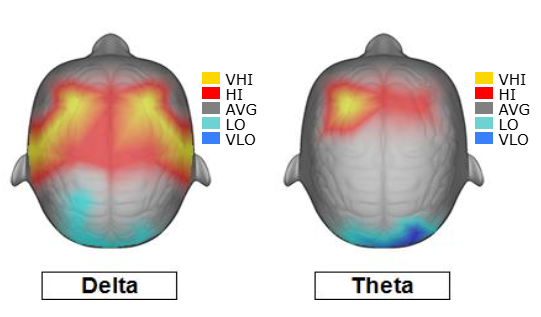
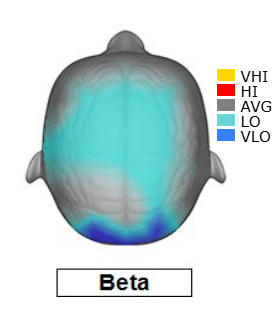
ADHD is commonly associated with an excess of slow-wave activity relative to faster, more focused brainwave patterns. Neurofeedback training targets this imbalance directly — when the brain produces patterns linked to calm, sustained attention, it receives a positive signal (the show someone is watching becomes more visible on the screen). When activity shifts toward patterns associated with distractibility or restlessness, the feedback pauses, prompting the brain to self-correct. Over time, this process leverages neuroplasticity which is the brain's natural ability to form new neural connections to support lasting improvements.
At North Austin Neurofeedback in Austin, Texas, we provide personalized neurofeedback therapy for individuals with ADHD. Because neurofeedback is a gradual learning process, some individuals notice early changes within the first few sessions, while more meaningful improvements typically emerge after 20–40 training sessions. Research suggests these gains can be long-lasting — a key advantage over medication alone.
What does the research say about Neurofeedback for ADHD?
Neurofeedback for ADHD is one of the most well-researched applications in the field — backed by over 50 years of clinical study, dozens of randomized controlled trials, and multiple independent meta-analyses. Among all conditions treated with neurofeedback, ADHD has the largest and most replicated evidence base, making it the leading indication for this therapy.

Micoulaud-Franchi J-A, Geoffroy PA, Fond G, Lopez R, Bioulac S and Philip P (2014) EEG neurofeedback treatments in children with ADHD: an updated meta-analysis of randomized controlled trials. Front. Hum. Neurosci. 8:906.
doi: 10.3389/fnhum.2014.00906
Moriyama, T. S., Polanczyk, G., Caye, A., Banaschewski, T., Brandeis, D., & Rohde, L. A. (2012). Evidence-based information on the clinical use of neurofeedback for ADHD. Neurotherapeutics : the journal of the American Society for Experimental NeuroTherapeutics, 9(3), 588–598. https://doi.org/10.1007/s13311-012-0136-7
Westwood, S.J. et al. (2025). Neurofeedback for attention-deficit/hyperactivity disorder: a systematic review and meta-analysis of randomized controlled trials. JAMA Psychiatry, 82(2).
doi: 10.1001/jamapsychiatry.2024.3702
Gevensleben, H., Holl, B., Albrecht, B., Vogel, C., Schlamp, D., Kratz, O., Studer, P., Rothenberger, A., Moll, G. H., & Heinrich, H. (2009). Is neurofeedback an efficacious treatment for ADHD? A randomised controlled clinical trial. Journal of child psychology and psychiatry, and allied disciplines, 50(7), 780–789.
https://doi.org/10.1186/s13034-022-00543-1
Wu, C.Y. et al. (2024). Comparative efficacy of neurofeedback interventions for ADHD in children: a network meta-analysis. Brain and Behavior, 14(11).
https://doi.org/10.1002/brb3.70194
Why choose us on your Neurofeedback journey?
BCIA Board Certified in Neurofeedback
🧠
Licensed Master Social Worker (LMSW)
Our Clinical Director is certified by the Biofeedback Certification International Alliance (BCIA) — the gold standard credentialing body for neurofeedback practitioners. Requires supervised hours, written examination, and ongoing continuing education.Licensed by the Texas State Board of Social Worker Examiners. Our Clinical Director's dual licensure in social work and neurofeedback ensures care that addresses both the neurological and relational dimensions of trauma recovery.When it comes to your brain health and healing, credentials matter. Our Clinical Director maintains advanced training, full licensure, and strict ethical standards in neurofeedback therapy. Every member of our team is BrainCore certified, ensuring consistent, evidence-based brain training services.
As a trusted provider of neurofeedback therapy in Austin, TX, we deliver personalized treatment plans tailored to your specific goals — whether you're seeking support for focus, anxiety, sleep, mood, or cognitive performance. We are committed to compassionate care, measurable results, and making high-quality neurofeedback accessible with some of the most competitive pricing in the Austin area.
📚
Our process for neurofeedback for ADHD in Austin, TX

01
Consultation Call
We start with a free consultation to understand your history, symptoms, and goals. There's no pressure and no commitment. We want to make sure neurofeedback is the right fit for you before we begin.
02
QEEG Scan
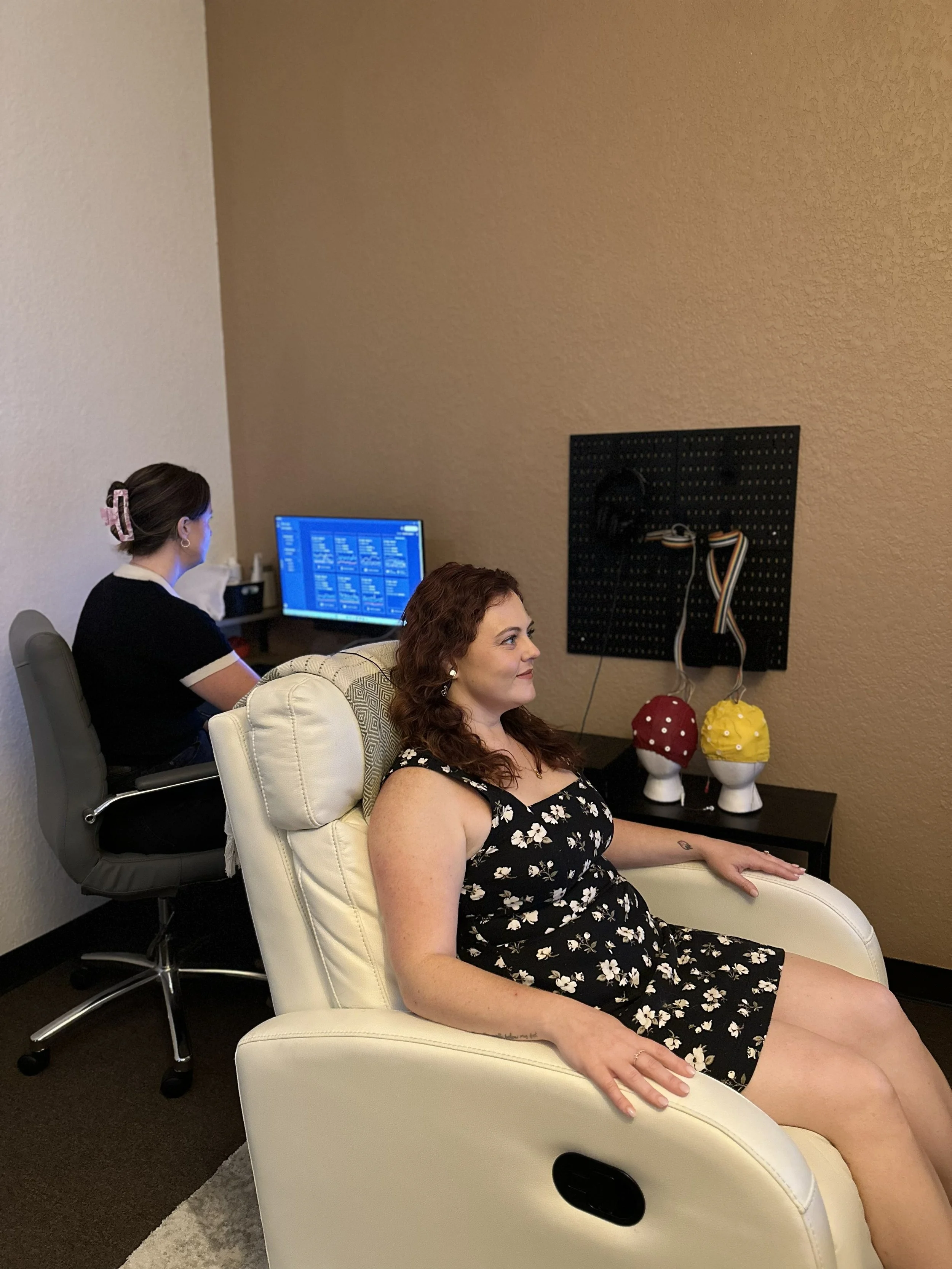
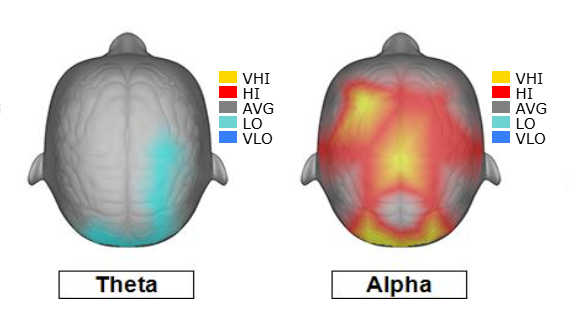
We conduct a comprehensive quantitative EEG brain map. This is completely non-invasive and painless — you simply sit comfortably while sensors read your brain's electrical activity. We use this data to build your personalized protocol.
03
Report of Findings
After your QEEG our licensed provider will provide an overview of what the brain map shows and what neurofeedback protocols we believe would be best suited for your brain. A QEEG is not used for diagnosis but rather it aids in our understanding of your brains electrical activity.

04
Neurofeedback
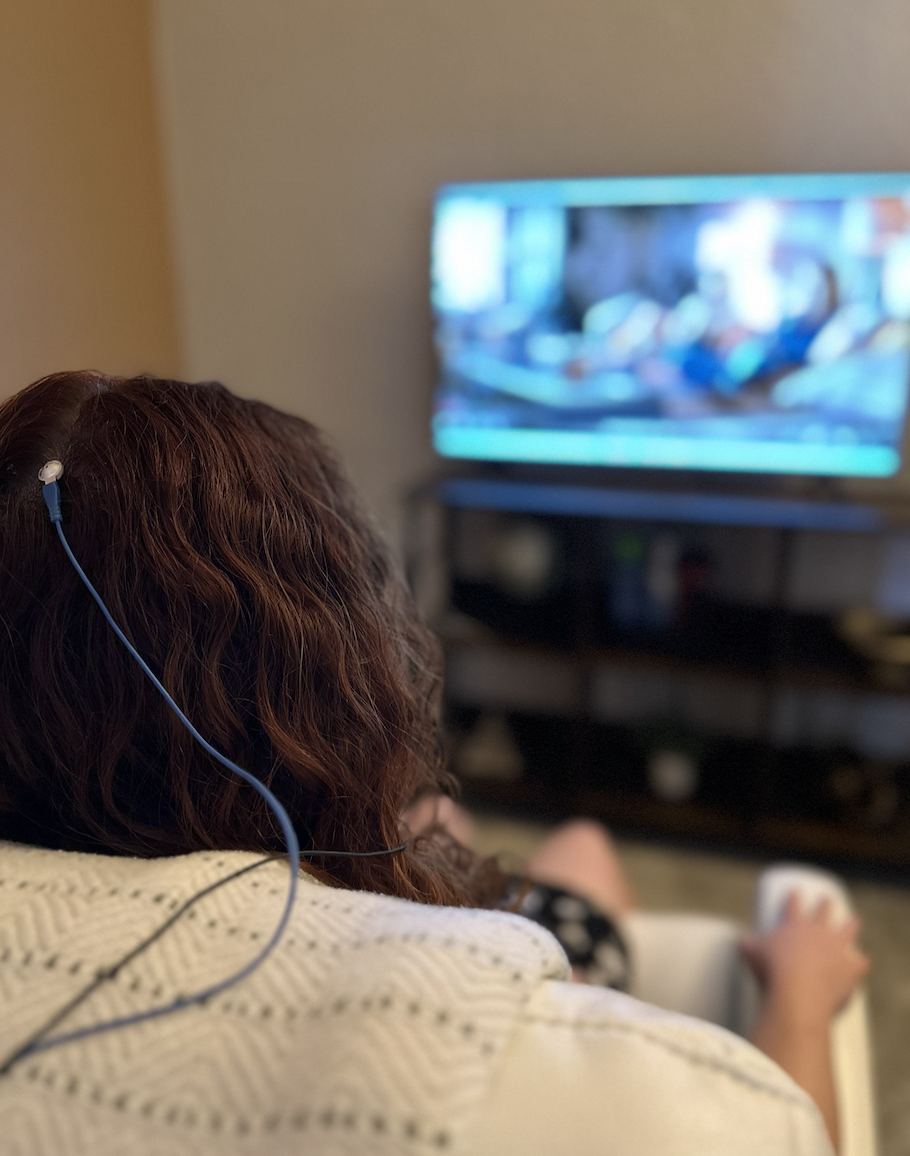
Your journey begins by sitting comfortably in front of a Netflix screen while EEG electrodes monitor your brain activity. As you watch, the system provides real-time audio-visual feedback whenever your brain enters a more regulated state.
-
Neurofeedback is a non-invasive, drug-free brain training therapy that uses real-time EEG monitoring to teach the brain to self-regulate. For ADHD, it targets dysregulated brainwave patterns — particularly elevated theta activity relative to beta activity — that are associated with inattention, hyperactivity, and impulsivity. Through repeated operant conditioning sessions, the brain learns to maintain more regulated, focused states.
-
Yes. Neurofeedback is non-invasive and involves no electrical stimulation — only the passive monitoring of brainwave activity via scalp sensors. It is widely considered safe for children, and we work with clients as young as age 6. We begin every new client relationship with a thorough qEEG assessment and a free consultation to ensure the approach is appropriate.
-
Neurofeedback is not presented as a replacement for any prescribed treatment without the guidance of the prescribing physician. Many clients use neurofeedback alongside current treatments, while others pursue it as a non-pharmaceutical alternative. We recommend a collaborative approach with your healthcare providers. Please discuss any changes to medication with your doctor.
-
A quantitative EEG (qEEG) brain map records electrical activity from 19 locations across your scalp and compares your brain's patterns to a normative database of healthy individuals. This identifies specific areas of dysregulation — not just broadly "ADHD," but which regions and brainwave frequencies are involved in your unique presentation. This data is what makes truly personalized neurofeedback possible.
-
Most clients begin noticing changes within the first 10–20 sessions. A full protocol typically spans 20–40 sessions, depending on the individual's qEEG findings, symptom severity, and goals. Gil will provide a personalized estimate after your initial brain map assessment.
-
We are located in Round Rock, Texas off I-35 — easily accessible from North Austin. We serve clients from Austin, Round Rock, Pflugerville, Georgetown, Cedar Park, and Leander. A free consultation is available to get started.
Common Questions about Neurofeedback for ADHD in Austin
Gil Garza, LMSW, LCDC, BCN, is a Licensed Master Social Worker, Licensed Chemical Dependency Counselor, and Board-Certified Neurofeedback Clinician through the Biofeedback Certification International Alliance (BCIA). He specializes in QEEG brain mapping, neurofeedback therapy, trauma-informed care, and behavioral interventions for adolescents and adults. Gil has extensive experience in dual-diagnosis treatment within inpatient and intensive outpatient (IOP) settings, supporting individuals with substance use disorders, ADHD, learning differences, developmental delays, and trauma-related conditions. He is also trained in EMDR therapy and integrates evidence-based behavioral health approaches with brain-based interventions to help clients improve emotional regulation, attention, and cognitive functioning.