Neurofeedback for Anxiety & Generalized Anxiety Disorder (GAD) in Austin
Anxiety disorders are the most common mental health condition in the United States, affecting over 40 million adults. In today’s high-pressure, fast-paced world, anxiety and chronic stress have become nearly universal experiences.
Anxiety is associated with identifiable neurological patterns, including measurable differences in brainwave activity. Neurofeedback is a clinically studied, non-medication alternative to reduce stress and anxiety symptoms by teaching the brain how to regulate itself more effectively.
At North Austin (NATX) Neurofeedback, we begin with a qEEG brain map assessment, a non-medication approach that targets the brainwave patterns underlying your anxiety at the source. This will help us to identify your brain’s unique activity patterns. Using this data, we then design a personalized neurofeedback protocol plan tailored specifically to you and your goals. You don’t have to continue living with the burden of chronic stress and anxiety, at North Austin Neurofeedback we strive to help you achieve your best potential and improve your brain with our comprehensive individualized approach.

What is Anxiety and is it always a bad thing?
Anxiety in its healthy form is a protective mechanism, a signal from your nervous system that something requires attention. It sharpens focus, motivates preparation, and alerts you to genuine danger. This kind of anxiety is proportionate, time-limited, and resolves once the threat passes.
The problem arises when this system becomes dysregulated. Instead of responding to real, immediate threats, the nervous system begins firing persistently in response to everyday stressors, anticipated events, or sometimes nothing identifiable at all. The anxiety no longer turns off. It becomes the baseline rather than the exception.
This shift is not simply psychological. It reflects patterns in how the brain is functioning and regulating itself. When certain brainwave patterns become overactive or underactive, the brain can remain in a heightened state of vigilance even in the absence of real danger, a pattern that neurofeedback for anxiety is specifically designed to address.
At NATX Neurofeedback in Austin, TX, we use QEEG brain mapping to identify the specific dysregulated patterns driving your anxiety, then deliver personalized brainwave training to help the brain recalibrate. By providing real-time feedback on brain activity, neurofeedback helps the brain recognize and adjust these patterns. Over time, the brain learns to return to a more balanced, flexible state, allowing the nervous system to respond appropriately to stress rather than remaining stuck in chronic activation.
Why Neurofeedback is Effective for Anxiety
How Neurofeedback Supports Anxiety Disorders

Neurofeedback therapy for anxiety works by targeting the nervous system dysregulation that underlies the anxiety experience itself, not just the thoughts or behaviors that result from it.
Research shows that people with anxiety disorders display measurable differences in brainwave activity compared to non-anxious individuals. The most common pattern is excess high-beta activity (20-40 Hz) in the frontal and temporal regions, the neurological signature of a brain that is chronically overactivated and unable to shift into a calmer state.
At North Austin Neurofeedback we use QEEG brain mapping to identify these exact patterns in each client before designing a personalized neurofeedback protocol. EEG sensors monitor brainwave activity in real time, and the brain receives immediate feedback whenever it produces calmer, more regulated states. Over repeated sessions, it learns to sustain those patterns consistently. Because that learning is neurological, the results tend to be durable long after training ends.
Common anxiety signs and symptoms:
Racing or pounding heart (palpitations)
Sweating without physical exertion
Racing thoughts
Dry mouth
Headaches
Shortness of breath or feeling unable to take a deep breath
Unrefreshing sleep despite adequate hours
Increased irritability
Feeling of panic & dread
Obsessive thoughts
Avoidance of people, places, or situations that trigger anxiety
Procrastination driven by fear of failure or judgment
Seeking frequent reassurance from others
Perfectionism
Waking during the night with worry
What does the research say about Neurofeedback for Anxiety?
Research on Neurofeedback for Anxiety consistently shows that anxiety disorders involve measurable brainwave dysregulation. Neurofeedback directly addresses these patterns — training your brain to self-regulate toward healthier states.
Dreis, S. M., Gouger, A. M., Perez, E. G., Russo, G. M., Fitzsimmons, M. A., & Jones, M. S. (2015). Using neurofeedback to lower anxiety symptoms using individualized qEEG protocols: A pilot study. NeuroRegulation, 2(3), 137–148. doi.org/10.15540/nr.2.3.137
Walker, J. E. (2009). Anxiety associated with post traumatic stress disorder: The role of quantitative electroencephalograph in diagnosis and in guiding neurofeedback training to remediate the anxiety. Biofeedback, 37(2), 67–70. doi.org/10.5298/1081-5937-37.2.67
Jones, M. S., & Hitsman, H. (2018). QEEG-guided neurofeedback treatment for anxiety symptoms. NeuroRegulation, 5(3), 85–92. doi.org/10.15540/nr.5.3.85
Gregory, J. C., Romero, D., & Jones, M. S. (2020). Predictors of neurofeedback outcomes following qEEG individualized protocols for anxiety. NeuroRegulation, 7(1), 18–25. doi.org/10.15540/nr.7.1.18
White, E. K., Groeneveld, K. M., Tittle, R. K., Bolhuis, N. A., Martin, R. E., Royer, T. G., & Fotuhi, M. (2017). Combined neurofeedback and heart rate variability training for individuals with symptoms of anxiety and depression: A retrospective study. NeuroRegulation, 4(1), 37–55. doi.org/10.15540/nr.4.1.37
83%
of individuals with pretreatment anxiety symptoms experienced clinically meaningful improvement following combined neurofeedback and HRV training (White et al., 2017)
2020
study showed sustained benefits of anxiety improvements following neurofeedback training (Gregory et al., 2020)
69%
of subjects showed clinical improvement in anxiety scores following neurofeedback training (JMIR Formative Research, 2022)
HRV & Neurofeedback
HRV Biofeedback as Anxiety & Stress Treatment Adjunct
Anxiety Disorders We Address
✓ Generalized Anxiety Disorder (GAD) ✓ OCD (Anxiety Component)
✓ Performance & Test Anxiety ✓ Anxiety + ADHD / Depression
✓ Stress & Burnout ✓ Social Anxiety Disorder
✓ Panic Disorder ✓ PTSD & Trauma-Related Anxiety
At NATX Neurofeedback, we offer a combined biofeedback program that integrates Heart Rate Variability (HRV) training with our neurofeedback anxiety protocols, a pairing that sets our approach apart from standard neurofeedback-only care.
When anxiety takes hold, the autonomic nervous system becomes dysregulated — your heart rhythm grows erratic, signaling your brain to stay on high alert. HRV biofeedback trains you to produce a smooth, coherent heart rhythm, shifting the nervous system out of fight-or-flight and into a calmer, regulated state. Research by Gruzelier (2014) identifies this combination of HRV and neurofeedback as a highly effective treatment approach for stress and anxiety disorders.
While neurofeedback works at the level of brainwave regulation, HRV training works at the level of the body's stress response — addressing anxiety from two directions simultaneously. It's a more comprehensive approach to anxiety relief than most neurofeedback clinics in Austin offer.
Anxiety Conditions we Address with Neurofeedback
Anxiety can look significantly different from person to person, both in how it feels and in how it appears in the brain. One person may experience constant, low-grade worry that never fully quiets. Another may have infrequent but intense panic attacks. A third may struggle primarily with social situations, sleep disruption, or physical tension. These differences are not just behavioral but rather they reflect distinct neurological patterns that are measurable and identifiable.
This is exactly why a personalized approach to neurofeedback for anxiety is more effective than a one-size-fits-all protocol. How anxiety presents is a key indicator of which neurofeedback solution will work best for each individual. At North Austin Neurofeedback we are trained to address a wide range of anxiety disorders and our expertise in neurofeedback protocol personalization is central to the work we do.
Our process for neurofeedback for Anxiety in Austin, TX

01
FREE Consultation Call
We start with a free consultation call to understand your history, symptoms, and goals. There's no pressure and no commitment. We want to make sure neurofeedback is the right fit for you before we begin.
02
qEEG assessment
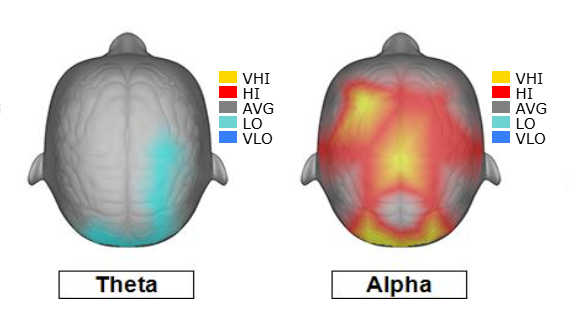
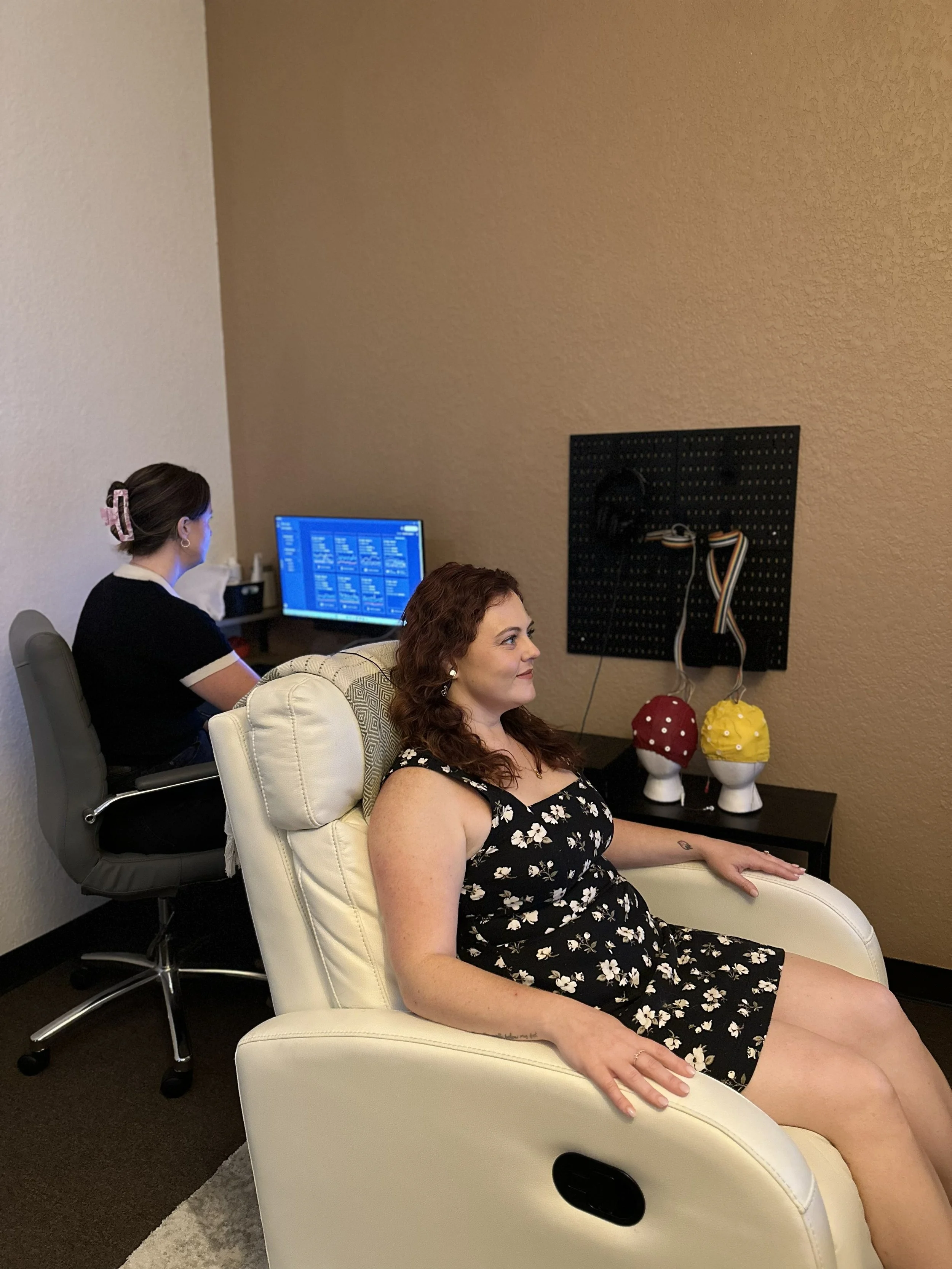
We conduct a comprehensive quantitative EEG brain map. This is completely non-invasive and painless — you simply sit comfortably while sensors read your brain's electrical activity. We use this data to build your personalized protocol.
03
Report of Findings
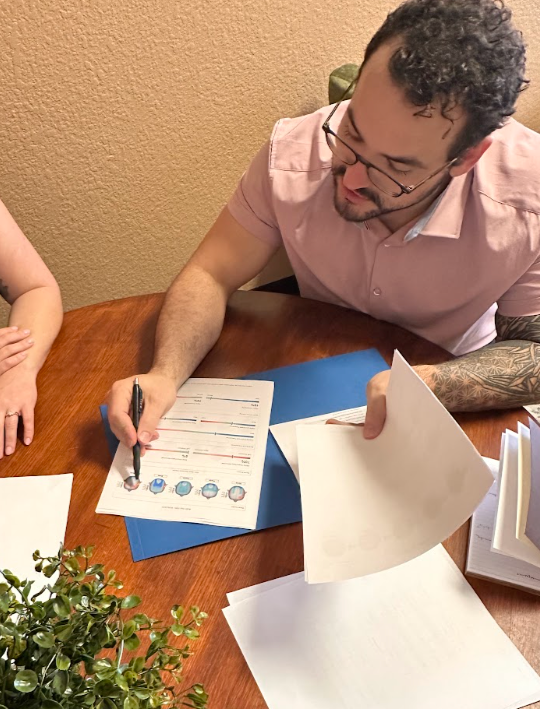
After your QEEG our licensed provider will provide an overview of what the brain map shows and what neurofeedback protocols we believe would be best suited for your brain. A QEEG is not used for diagnosis but rather it aids in our understanding of your brains electrical activity.

04
Neurofeedback
Your journey begins by sitting comfortably in front of a Netflix screen while EEG electrodes monitor your brain activity. As you watch, the system provides real-time audio-visual feedback whenever your brain enters a more regulated state.
Common Questions about Neurofeedback for Anxiety in Austin
-
Most clients begin to notice meaningful changes within 10–20 sessions, with full results typically seen at 30–40 sessions for traditional neurofeedback. At NATX Neurofeedback, we assess your progress every five sessions and adjust your protocol to optimize results. Individual response varies based on the severity and chronicity of anxiety, overall brain health, and consistency of attendance.
-
Yes. Neurofeedback is non-invasive — no electricity is applied to your brain. The sensors only read your brainwave activity; feedback is delivered through audio or visual cues. It has an excellent safety profile across decades of clinical use and research. Mild, temporary side effects such as slight fatigue can occasionally occur as the brain adjusts, but serious adverse effects are rare.
-
Neurofeedback is not a replacement for prescribed medication and should never be discontinued without guidance from your prescribing physician. However, many clients find that neurofeedback reduces their reliance on medication over time as their brain learns to self-regulate more effectively. We work collaboratively with your existing treatment team.
-
Sessions are typically very relaxing. You'll sit comfortably while sensors are placed on your scalp — this is painless. You'll then watch a screen or listen to audio tones that change based on your brainwave activity. Many clients describe sessions as meditative. You remain fully conscious and in control at all times.
-
Coverage varies significantly by plan. Some plans cover neurofeedback under EEG biofeedback codes (CPT 90901 or 90912/90913). We recommend calling your insurer directly to ask about coverage. We are happy to provide documentation to support your insurance claim. Contact us for current pricing and financing options.
-
Traditional talk therapy (CBT, DBT) helps you understand and change your thoughts, behaviors, and emotional responses. Neurofeedback works at a deeper, neurological level — directly training the brainwave patterns that create the physiological experience of anxiety. Many clients find the two approaches highly complementary: therapy helps you process and understand your anxiety; neurofeedback helps your brain stop generating it so intensely. At NATX, we offer both.
Gil Garza, LMSW, LCDC, BCN, is a Licensed Master Social Worker, Licensed Chemical Dependency Counselor, and Board-Certified Neurofeedback Clinician through the Biofeedback Certification International Alliance (BCIA). He specializes in QEEG brain mapping, neurofeedback therapy, trauma-informed care, and behavioral interventions for adolescents and adults. Gil has extensive experience in dual-diagnosis treatment within inpatient and intensive outpatient (IOP) settings, supporting individuals with substance use disorders, ADHD, learning differences, developmental delays, and trauma-related conditions. He is also trained in EMDR therapy and integrates evidence-based behavioral health approaches with brain-based interventions to help clients improve emotional regulation, attention, and cognitive functioning.